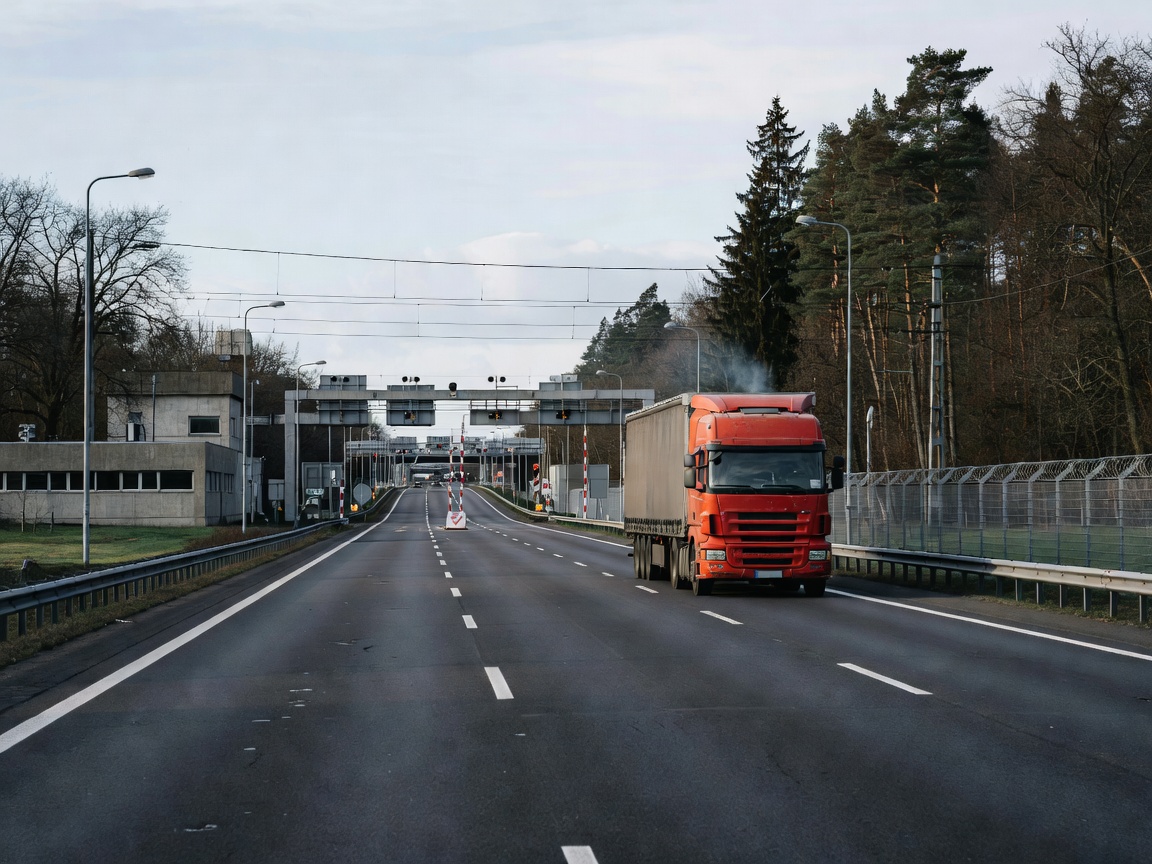
Cross-border planning connects a commercial agreement to a physical delivery. The same product can require different preparation depending on origin, destination, route, transport mode and buyer responsibilities. A useful plan records assumptions, confirms hand-offs and identifies who will answer when the expected route changes.
Separate EU and non-EU route assumptions
Trade between EU member states and shipments involving non-EU destinations can involve different processes. Do not assume that internal-market movement and export to a non-EU country follow the same customs or product steps. Establish where the goods begin, where they will be delivered, whether they transit another territory and which party is responsible for each formal process.
For non-EU routes, customs declarations and supporting information may be required. The data can depend on product classification, customs value, origin, destination and applicable rules. For EU-to-EU movements, other obligations may still apply, including product, tax, reporting or sector-specific considerations. This guide does not determine those obligations. Confirm the current position for the actual goods and route with a qualified professional or relevant official source.
Map borders, hand-offs and delivery
Draw the route from collection to final delivery. Include the carrier, any consolidation point, ports or terminals, border crossings, customs intermediaries, storage and final-mile provider. For each hand-off, record the responsible party, required information, contact method and trigger for escalation. An unassigned task is a planning gap.
Check whether the route needs an appointment, unloading equipment, delivery-site access, special handling or a buyer receiving window. Consider what happens if a border process needs more information, a connection is missed or a delivery slot changes. Contingency planning should name an owner, an alternate contact and the commercial decision-maker who can approve extra costs.
Delivery terms form part of the commercial agreement and allocate responsibilities. Ensure the quotation, order, freight instructions and buyer understanding align. Clarify which party arranges transport, pays each cost, handles import steps and bears risk at each stage. Use the exact agreed term and obtain professional advice if the allocation is unclear.
Manage currency and payment exposure
Cross-border sales can create exposure when costs and revenue are in different currencies. Identify the currency used for quotation, invoice and payment, and consider how a change between order and settlement could affect margin. Set a quote validity period and review cost assumptions before accepting an order. Seek appropriate financial advice for hedging or other currency-management decisions.
Payment planning includes buyer credit, payment timing, bank charges, currency conversion and the consequences of delayed settlement. Match payment terms to order value, relationship, working capital and risk tolerance. Confirm that payment instructions are communicated securely and that changes to account details are independently verified through a trusted channel.
Transport, insurance and commercial risk
Compare transport options using cargo characteristics, distance, route reliability, handling, cost and service requirements. Consider the full journey rather than a headline transport leg. Congestion, capacity changes, weather, labour disruption, missed connections and local delivery constraints can affect plans. Do not promise a fixed arrival date unless the underlying service and terms support that commitment.
Insurance arrangements should be checked against the goods, route, declared value, agreed responsibilities and exclusions. Confirm who arranges cover, when it begins and ends, what evidence is needed if a loss occurs, and how claims are notified. A carrier’s liability terms are not necessarily equivalent to cargo insurance. Obtain suitable advice from a qualified insurance professional.
Commercial risk also includes buyer non-payment, supplier interruption, product rejection, documentation inconsistency and unexpected storage or handling costs. Create a risk list with likelihood, consequence, owner and response. Keep decisions proportionate to the value and complexity of the transaction.
Operational planning versus formal advice
Operational planning organizes people, information and movement. It can identify which questions need an answer and which documents or approvals may be needed. It does not establish legal rights, tariff treatment, product conformity or the official customs status of a transaction. Those questions require current, route-specific assessment by qualified advisers or competent authorities.
GOOD FOR
- Exporters comparing EU and non-EU delivery routes.
- Teams documenting responsibilities across buyer, carrier and intermediaries.
- Businesses reviewing payment, currency and contingency assumptions before commitment.
WHAT TO CHECK
- Origin, destination, transit points, route responsibilities and current border processes.
- Product and customs information, delivery terms, transport, insurance and documentation.
- Currency exposure, payment security, escalation contacts and alternate arrangements.
COMMON PLANNING RISKS
- Quoting a delivery promise before checking the full route and delivery window.
- Leaving customs, unloading or extra-cost ownership ambiguous.
- Using inconsistent product, value, package or party information across records.
- Assuming a carrier service includes insurance or every border-related task.
Recheck the plan when the buyer, product, route or delivery term changes. Requirements and operating conditions move. Record the source and date of important decisions, then confirm formal obligations before dispatch.